
Pancreas Transplant
The pancreas is a flat pear shaped glandular organ lies in the abdominal cavity just behind the stomach. The pancreas has two types of cells that are the islets of langerhans and the acinar cells. As an endocrine gland the islets of langerhans secrete some important hormones including insulin, glucagon, stomatostatin and pancreatic polypeptide. The pancreas is also a digestive organ, the acinar cells secretes pancreatic juice containing digestive enzymes in to the small intestine.
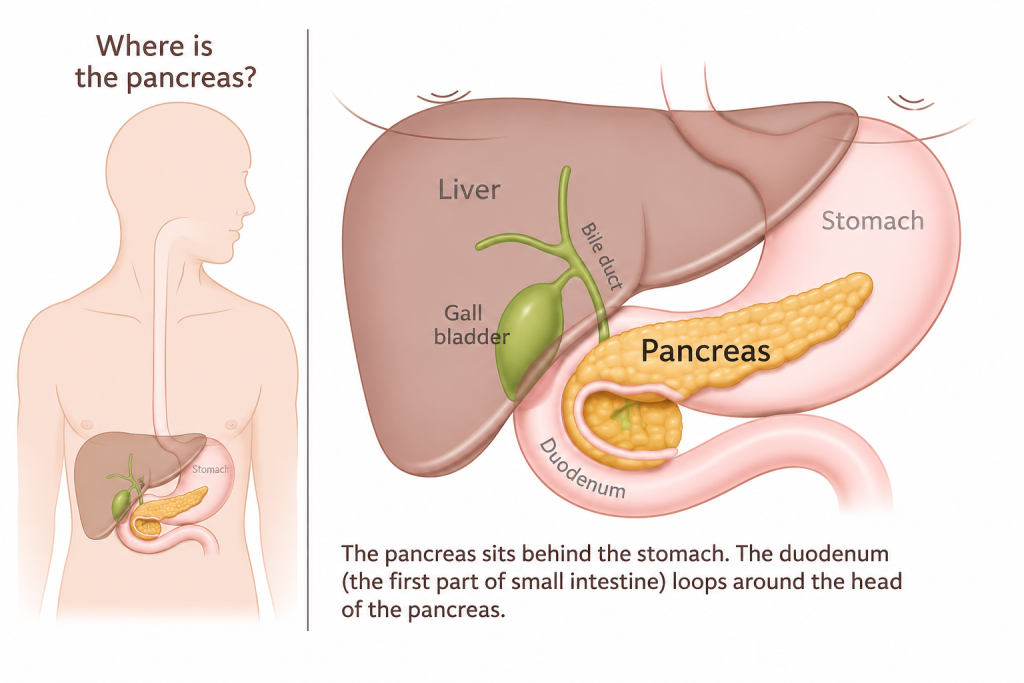
FUNCTIONS OF PANCREAS:
- Digestion of food (carbohydrates, proteins and lipids) by secreting enzymes.
- Maintenance of glucose level in the body by secreting insulin and glucagon.
- The beta cells in the pancreas release insulin in response to high blood glucose level. It helps to maintain normal blood glucose level by regulating the metabolism of carbohydrates and fats by promoting the absorption of glucose from the blood to skeletal muscles, liver and fat tissue and by causing fat to be stored rather than used for energy. Insulin also inhibits the production of glucose by the liver.
- The alpha cells in the pancreas release glucagon when the concentration of glucose in the bloodstream falls too low. Glucagon causes the liver to convert stored glycogen into glucose, which is released into the bloodstream.
COMPLICATIONS OF DIABETES MELLITUS
- Diabetic retinopathy (eye damage)
- Diabetic neuropathy (nerves damage)
- Diabetic nephropathy(kidney damage)
- Heart and blood vessels disease
- Diabetic ketoacidosis and coma
- Recurrent hypoglycemia
- Skin problems
- Foot damage may lead to amputation
- Frequent bacterial and fungal infections
WHAT IS PANCREAS TRANSPLANT
A pancreas transplant is a surgical procedure to place a healthy pancreas from a deceased donor into a person whose pancreas no longer functions properly.
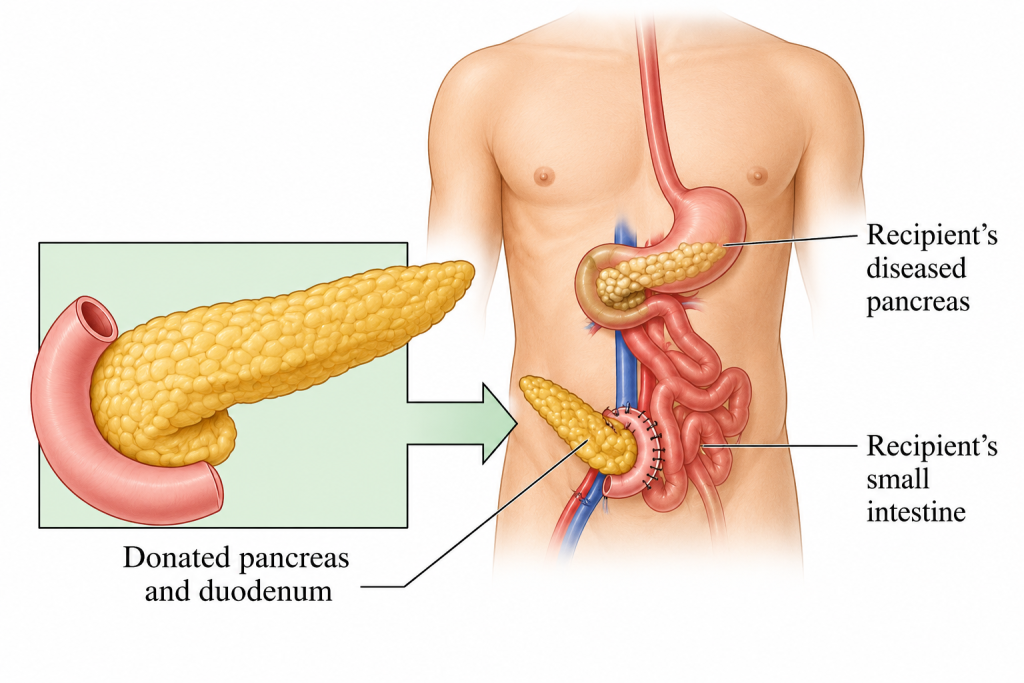
TYPES OF PANCREAS TRANSPLANT
- Pancreas transplant alone
- Simultaneous pancreas kidney transplant
- Pancreas after kidney transplant
WHO NEEDS PANCREAS TRANSPLANT
- Type I Diabetes mellitus
- Type I Diabetes mellitus with end stage renal disease
- Type 1 Diabetes Mellitus with other complications like retinopathy, neuropathy etc
- Failure of insulin therapy for diabetes management also patient with brittle diabetes.
- Patient with diabetes related metabolic complications like ketoacidosis, unawareness of hypoglycemic state
- To protect the transplanted kidney from diabetes related nephropathy.
- Selected Type 2 Diabetes Mellitus
BENEFITS OF PANCREAS TRANSPLANT
- The benefit of a pancreas transplant is that it can restore the body’s ability to make and use insulin. This means that patient will no longer have to test blood sugar daily or take insulin injections to stabilize blood sugar levels.
- With a functioning pancreas, the serious complications that result from having Type 1 diabetes can be prevented which include nerve damage, blindness, and stroke. Complications already present will not get any worse and some may even reverse.
PRE TRANSPLANT WORKUP
The evaluation can be done either as an outpatient or inpatient basis. During the evaluation you have appointment with many specialists in addition to the members of pancreas transplant team. The pre-transplant tests, as well as giving a clear picture of your overall health status, helps in identifying potential problems before they occur. This increases the likelihood of success.
- Blood test and chest X-Ray
- Ultrasound with Doppler of abdomen
- CT Scan/MRI Scan
- Pulmonary function test
- Echocardiogram
WAITING LIST FOR PANCREAS TRANSPLANT
Patients are listed through Kauvery Hospital on the TRANSTAN ( Transplant Authority of Tamil Nadu) which is a government organization. All centers in Tamilnadu receive pancreas in rotation. Patients are listed by ABO blood type.
WHILE ON WAITING LIST
- If possible live close to PSG Hospital.
- You will be followed up by the transplant team once a month until you receive a transplant.
- Please notify the transplant coordinators if you are leaving town and if there is a change in your health status.
- You may be called any time to come in for a transplant.
- You must be able to arrive at the transplant center within 6 hours from the time you are called in for a transplant.
POST OPERATIVE COURSE
After pancreas transplantation you will have to stay in the hospital for about two to three weeks and another 2 to 3 weeks close to the hospital so that you can be followed up regularly.
MEDICATION
In order to prevent rejection the doctors will prescribe medication that you will take every day for rest of your life. These medications are given to keep you alive.
PANCREAS TRANSPLANT OUTCOME
More than 85% of the patients live their life for several years without insulin and also free from diabetic related complications.
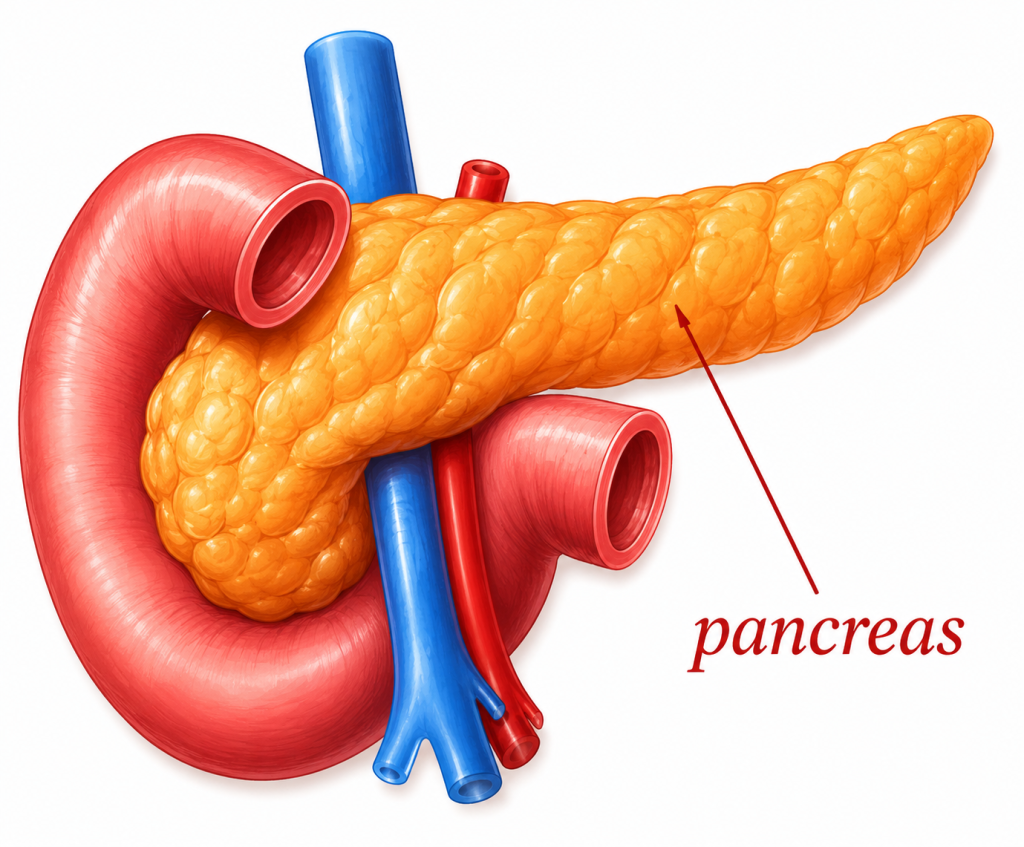
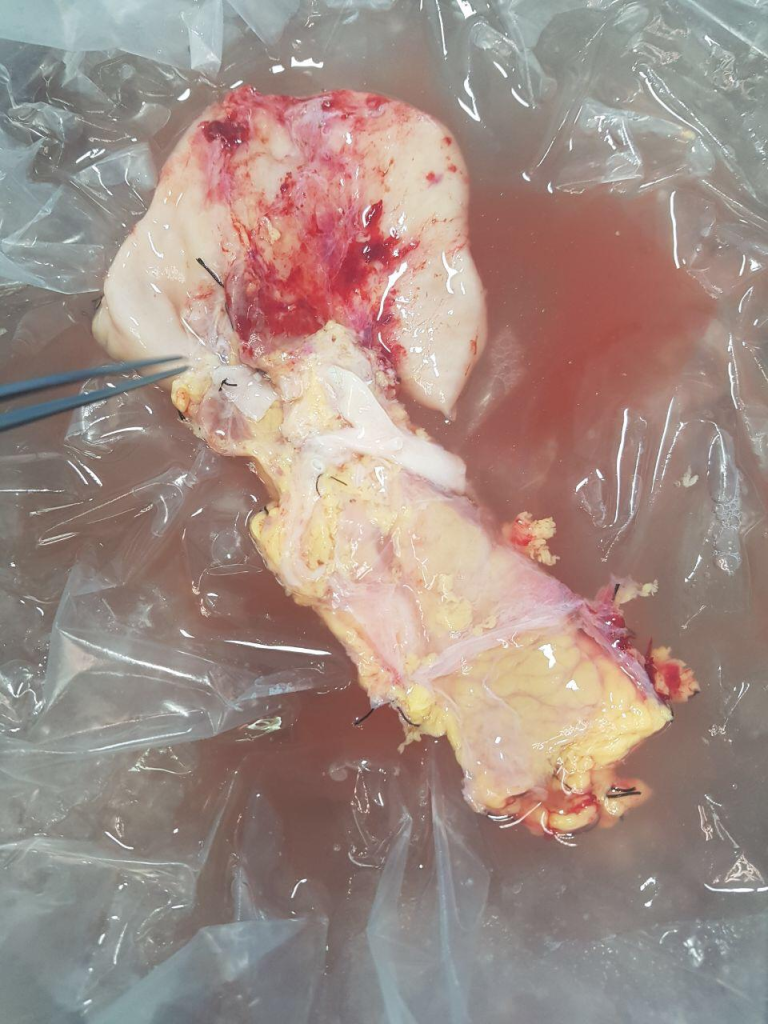
Photo of Pancreas from Deceased donor ready for implantation:-
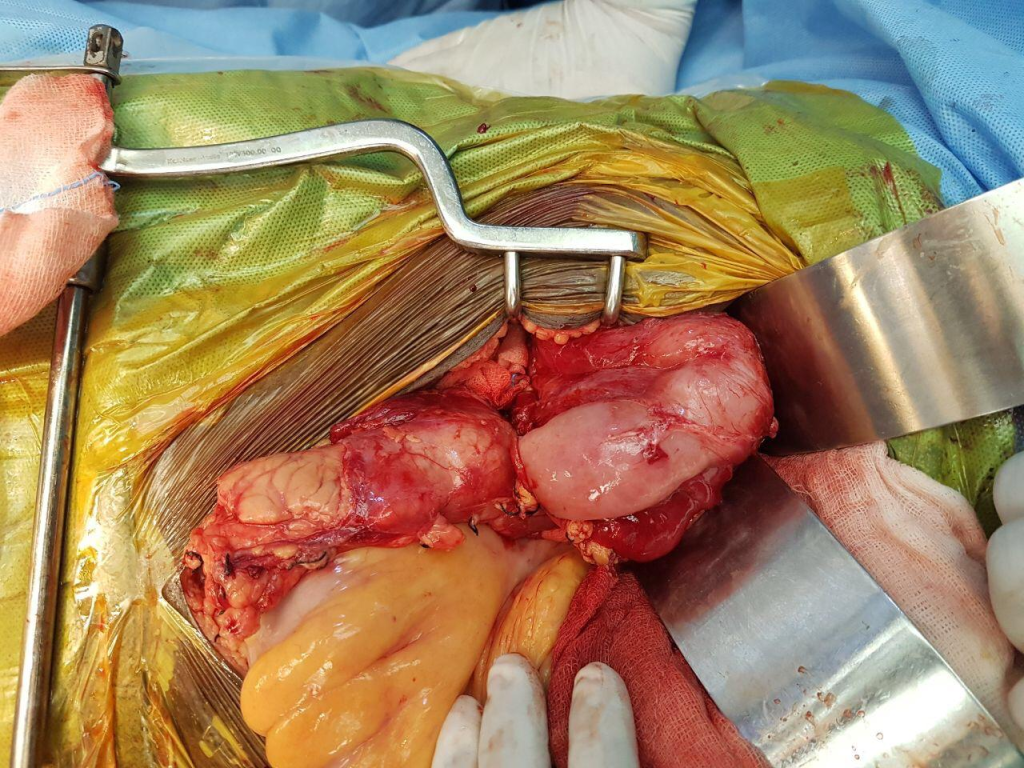
Photo of pancreas transplant :-