
Small Intestinal Transplant
A small intestinal transplant is a highly specialized surgical procedure performed for patients with severe intestinal failure when the small intestine can no longer absorb enough nutrients, fluids, and electrolytes to support normal body functions. This procedure involves replacing the damaged or non-functioning small intestine with a healthy donor intestine, helping patients regain digestive function and improve overall quality of life.
Who May Need a Small Intestinal Transplant?
A small intestinal transplant may be recommended for patients suffering from:
- Short Bowel Syndrome
- Intestinal Failure
- Crohn’s Disease with severe complications
- Congenital intestinal disorders
- Mesenteric ischemia
- Trauma or surgical loss of intestine
- Complications from long-term intravenous nutrition (TPN)
Signs That May Indicate the Need for Transplant
Patients may experience:
- Severe malnutrition
- Chronic dehydration
- Significant weight loss
- Frequent infections related to IV nutrition
- Liver complications caused by prolonged nutritional support
- Inability to absorb nutrients properly
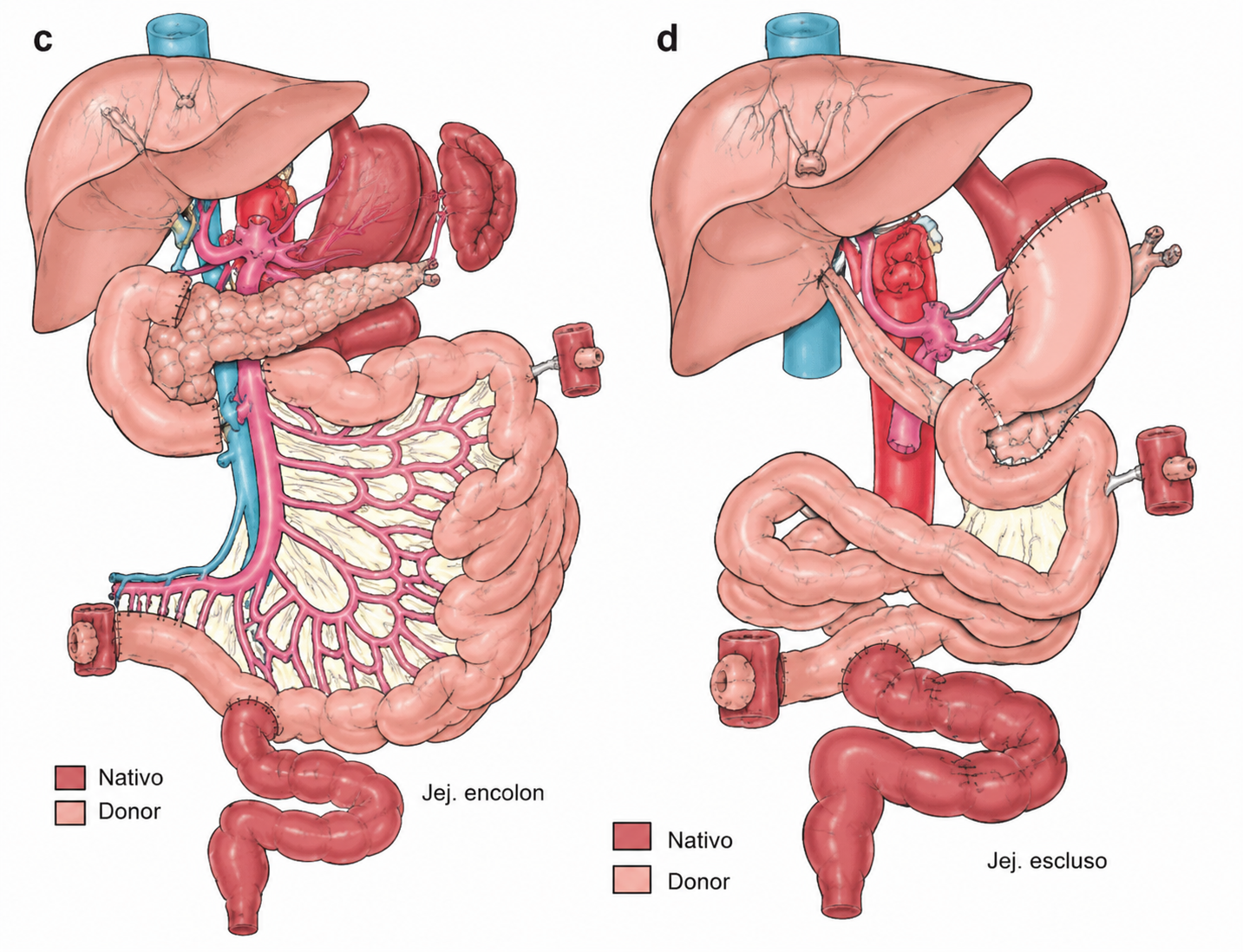
Types of Small Intestinal Transplant
1. Isolated Intestinal Transplant: Only the small intestine is transplanted.
2. Combined Liver-Intestine Transplant: Both liver and small intestine are transplanted when liver damage is present.
3. Multivisceral Transplant: Includes transplantation of multiple abdominal organs depending on the patient’s condition.
Benefits of Small Intestinal Transplant
- Improved nutrient absorption
- Reduced dependence on IV nutrition
- Better hydration and energy levels
- Enhanced quality of life
- Increased independence in daily activities
- Long-term survival benefits

The Procedure
The surgery is performed under general anesthesia by a specialized transplant team. The diseased intestine is removed, and the donor intestine is carefully connected to blood vessels and the digestive tract. Post-surgery monitoring is essential to ensure proper organ function and prevent rejection.
Recovery and Aftercare
- Intensive monitoring
- Immunosuppressive medications
- Regular follow-up visits
- Nutritional rehabilitation
- Infection prevention measures
Why Choose Expert Care?
A successful intestinal transplant requires experienced surgeons, advanced medical infrastructure, and long-term multidisciplinary care. Early diagnosis and timely treatment can significantly improve outcomes.